Identifying Counterfeit CTP Heavy Duty Equipment Parts
In recent times, the upsurge of substandard counterfeit CTP components in the heavy-duty equipment industry has prompted substantial concerns among both our valued CTP dealers and end-users. The existence of these imitations not only jeopardizes machinery performance and reliability but also introduces significant safety risks.
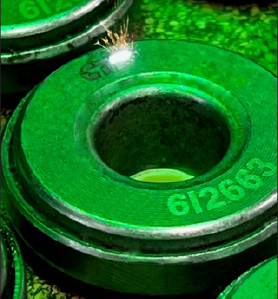
In response to this growing challenge, Costex Tractor Parts has embraced laser marking technology as a robust method to validate the authenticity of our components.
Spotting counterfeit CTP parts is crucial to ensure the proper functioning, safety, and longevity of your equipment. Here are some key guidelines to help you identify counterfeit CTP parts:
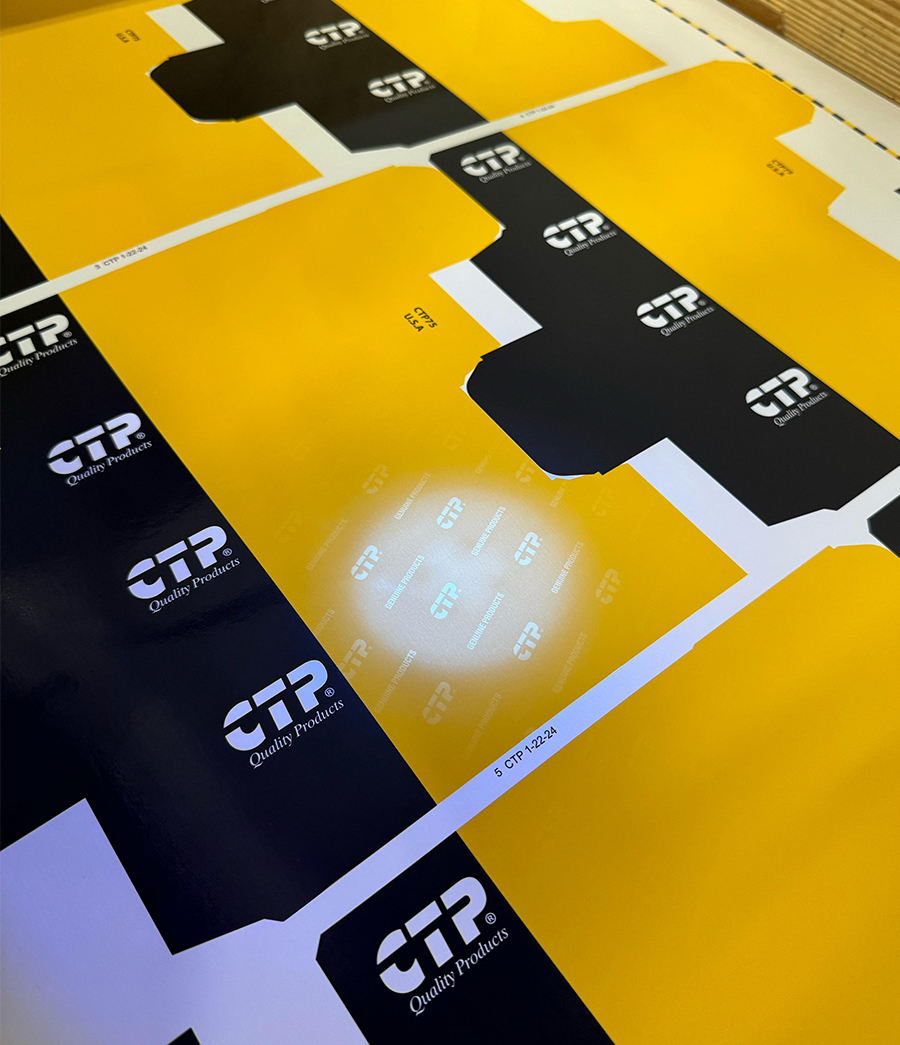
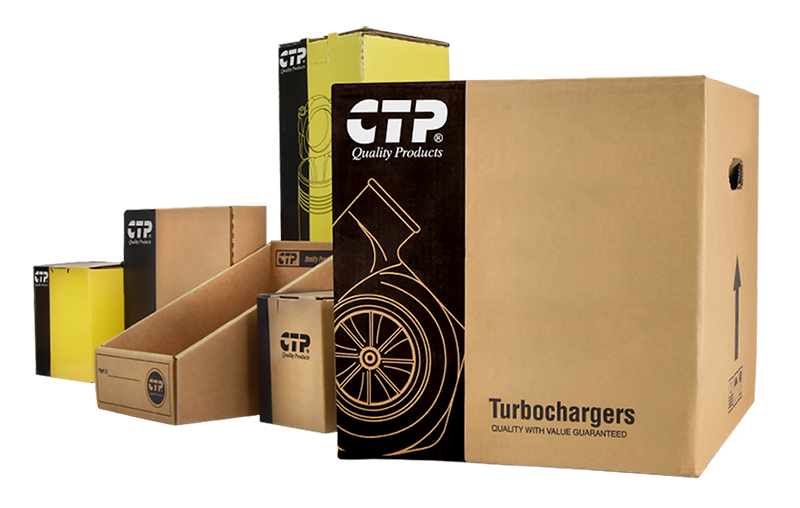
UV coating security ink is incorporated into our original CTP boxes design.
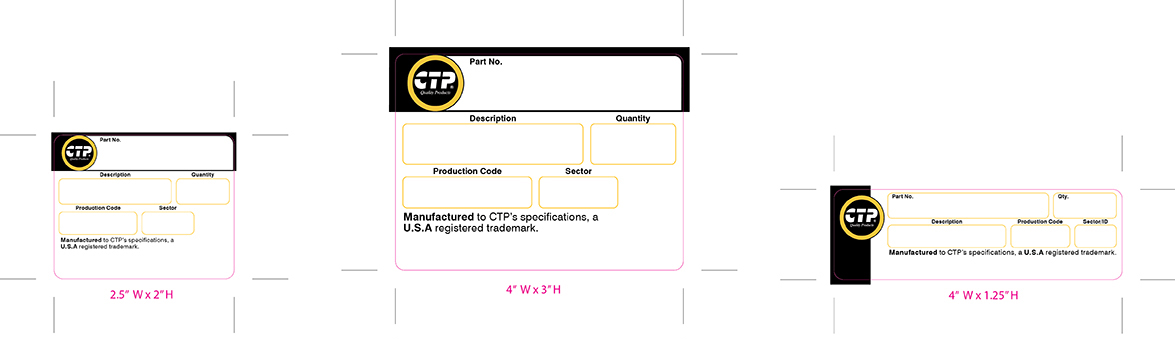
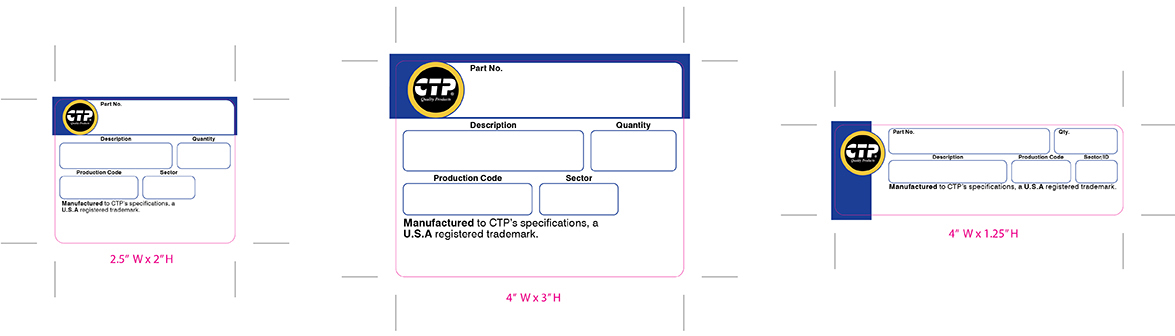
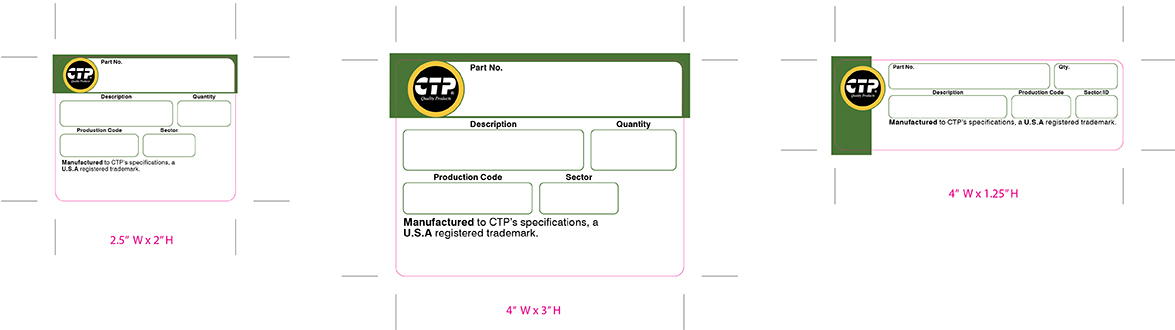
Our CTP labels feature a color-coding system for each machine.
Caterpillar®
Parts for Caterpillar® machines will have a black and yellow label.
Komatsu®
Parts for Komatsu® machines will have a blue and yellow label.
John Deere®
Parts for John Deer® machines will have a green and yellow label.
Source from Authorized CTP Dealers
Purchase replacement parts only from authorized CTP dealers and reputable suppliers. Authorized dealers source parts directly from the Costex, reducing the risk of encountering CTP Parts counterfeits.
Check Packaging and Documentation
Authentic CTP replacement parts typically come with professional CTP packaging. Counterfeit parts may have poorly designed packaging.
Examine Build Quality
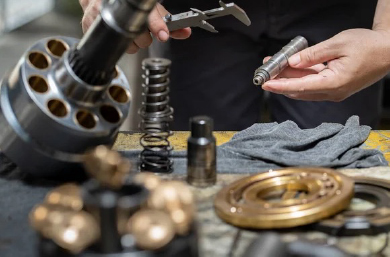
Genuine CTP replacement parts are built to high standards, with precision and durability. Inspect the build quality, materials, and finishes of the part. Poor craftsmanship, mismatched colors, or inferior materials may indicate a counterfeit.
Check for CTP Branding and Logos
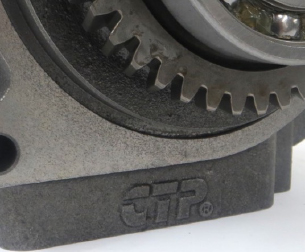
CTP parts usually feature clear and well-defined branding, etched, or cast logos, and laser markings. Counterfeiters may struggle to replicate these accurately. Look for inconsistencies or questionable markings
Compare Prices
If the price seems too good to be true, be careful! Although CTP provides a high-quality product at a competitive rate, counterfeiters frequently entice purchasers with substantially reduced prices. Counterfeiters often try to trick buyers with super cheap deals. Compare the replacement part cost with what’s usual in the market and be wary of deals that seem too good to be true. It’s always good to stay on the safe side!
Research the Seller
Investigate the reputation of the seller. Check online reviews, testimonials, and forums to see if other customers have reported issues with counterfeit parts from the same source.
Consult the CTP Website
Visit the official CTP website and check for information on CTP authorized dealers, authorized online retailers, or known distributors. Purchasing from these sources increases the likelihood of receiving genuine CTP replacement parts.
Seek Professional Advice
If uncertainty arises, seek advice from a certified mechanic, service technician, or reach out directly to Costex. These professionals possess the expertise to identify authentic CTP parts and can provide valuable guidance on verifying the legitimacy of the components.
By following these guidelines, you can significantly reduce the risk of falling victim to counterfeit CTP parts and safeguard the performance and reliability of your equipment.
Counterfeit Part Sample
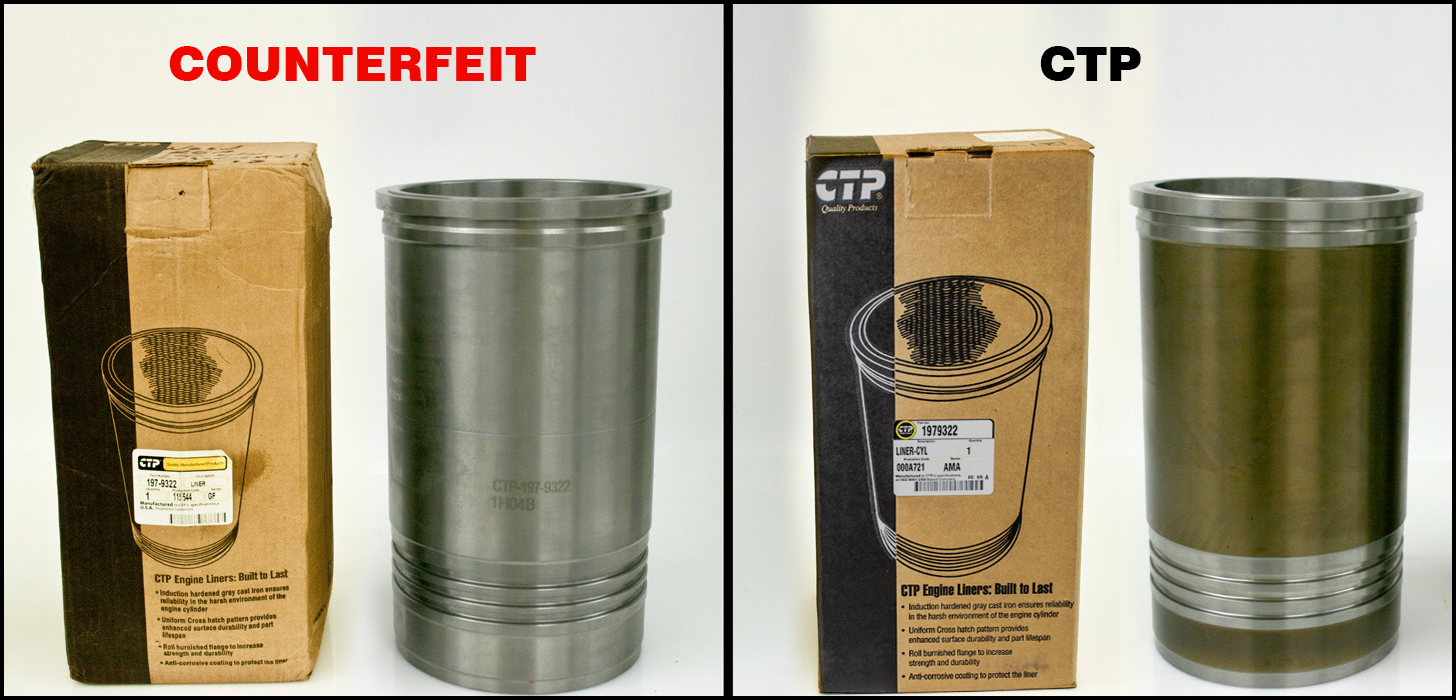
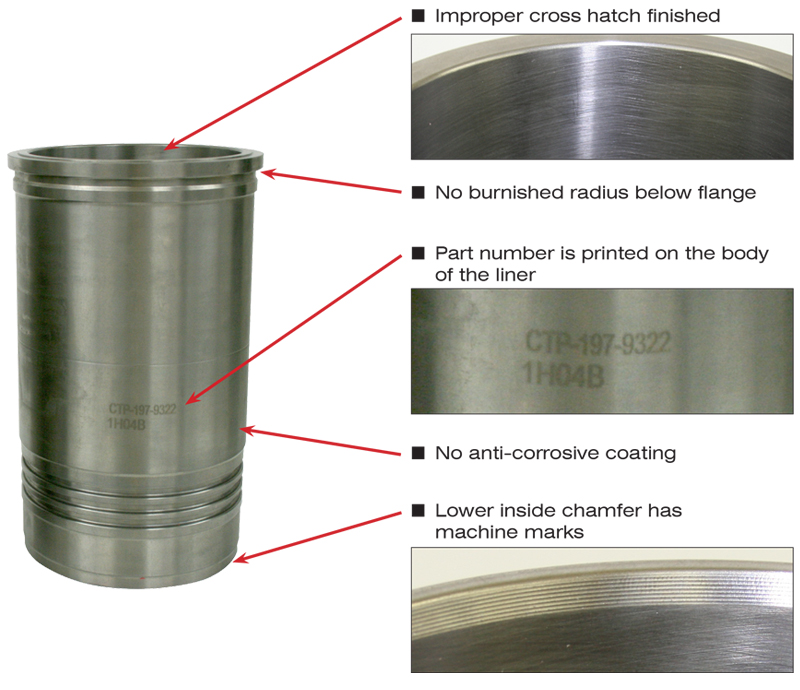
Counterfeit Liner
The use of illegal counterfeit automotive parts is increasing worldwide. At best, these parts will not perform as well as authentic parts. At worst, they can fail catastrophically with potentially fatal consequences.
Beware of Counterfeit Products
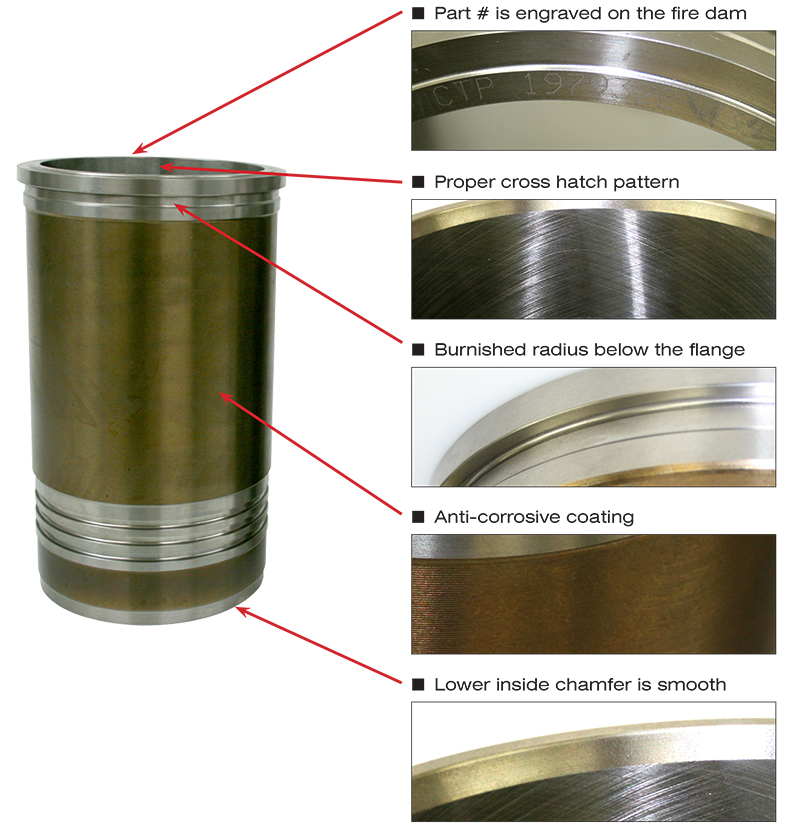
Differences between a counterfeit CTP liner and an authentic CTP Liner:
The Box:
- The counterfeit does not have the printed carton seal on the bottom of the box.

- The counterfeit packaging is missing the CTP logo in the black area on the front face of the box.

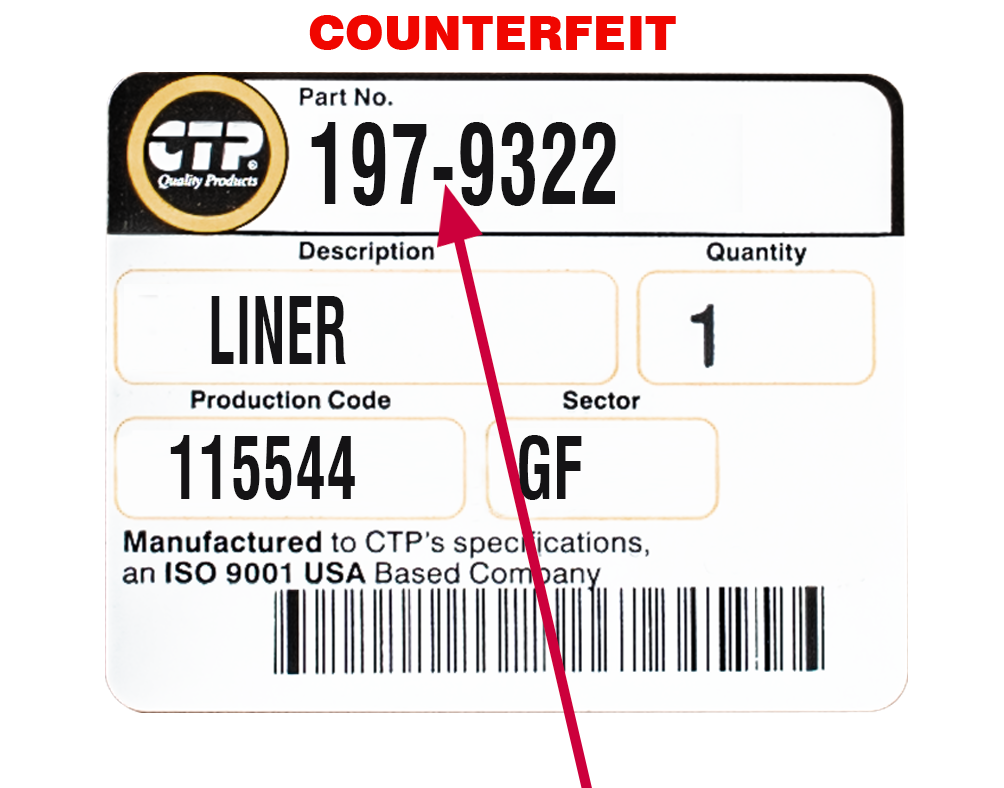
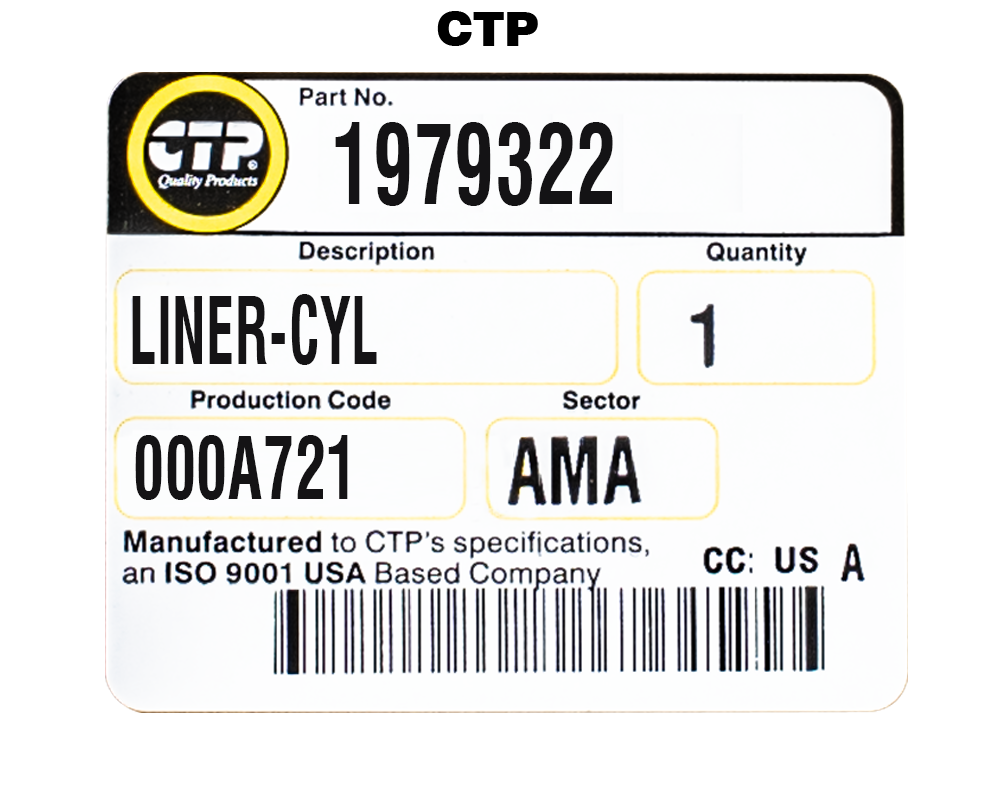
The Label:
CTP does not use dashes on their PART NUMBERS. Counterfeit numbering has a dash (-).
Authentic CTP Liner
Counterfeit Liner